
Pleated Blinds Fabric: Everything You Need To Know
Professional-Grade Manufacturers Pvc Pleated Honeycomb …
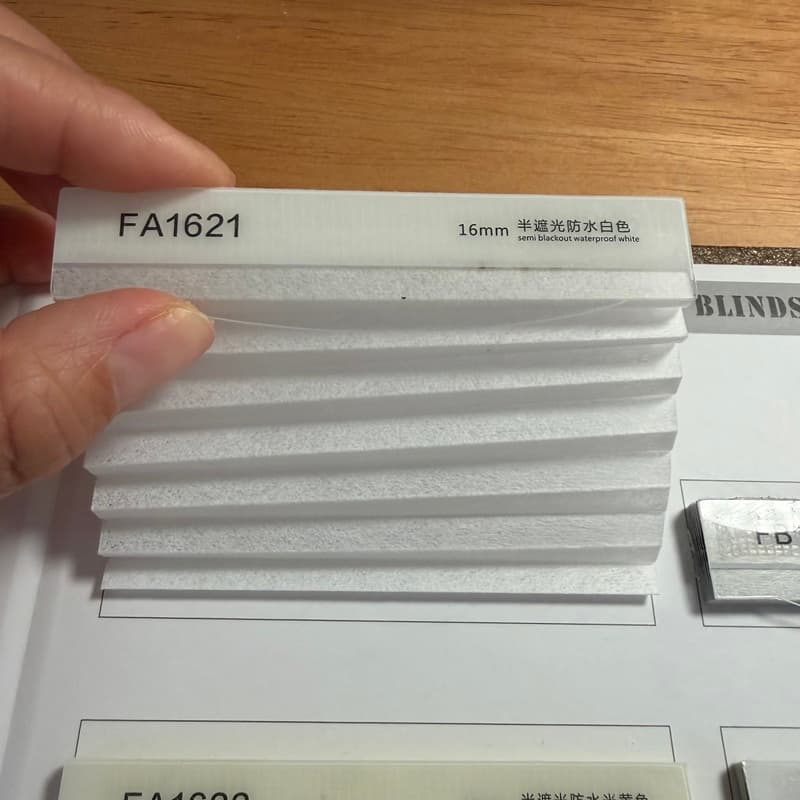
For buyers, designers & sourcing teams
CategoryUncategorized
Use this article as a technical reference. Contact us if you need fabric samples, specifications or project support.
DDZC Dezhou Window New Materials Technology Co., Ltd.
by DDZC Technical Team
When sourcing materials for pleated blinds, fabric choice makes or breaks the final finished product. Many fabric buyers mix‑up pleated material with cellular honeycomb fabric, even though they look comparable at first glance. Pleated blind fabrics come in far more texture and colour options than cellular shades, roller blinds or woven wood materials. You can pick from matte solid tones, textured weaves, subtle grain finishes and multiple light‑control grades to fit residential and commercial projects.
Performance varies widely too. You will find sheer, light‑filtering, translucent and full‑blackout variants on the market. Each grade delivers different privacy and light management outcomes. Unlike cellular fabric which forms sealed honeycomb pockets, standard pleated fabric is single‑layer. It does not deliver heavy thermal insulation, but it brings other practical perks for fabricators and installers. There are also dual‑layer day‑night pleated fabrics that combine sheer and opaque sections for flexible daytime and nighttime use.
Whether you run a blind workshop, wholesale distributor or interior contracting firm, knowing fabric basics will help you avoid costly mistakes on orders. This guide walks through pleated blind fabric categories, key selection points, and real‑world manufacturing notes from our production floor.
What Exactly Are Pleated Blinds?
Pleated blinds, also known as plisse blinds, are lightweight window coverings built from stiffened fabric that forms neat accordion‑style folds. People often confuse them with cellular honeycomb blinds, but there is a clear structural gap.
Cellular shades bond two fabric layers together to make air‑holding honeycomb cells for insulation. Pleated blinds use one solid sheet of specially treated fabric. Heat‑set permanent pleats hold shape when you raise and lower the blind. They are lighter weight, simpler to process, and generally more budget‑friendly for large‑volume jobs. That is why they remain popular for apartments, hotel renovation work and residential new builds.
Main Fabric Categories for Pleated Blinds
We break our fabric offerings down first by base raw material, then by functional performance.
Base Material Types
- 100% Polyester: The workhorse for most commercial pleated blinds. Good stiffness for pleat memory, resistant to fading and easy to cut and process. This is DDZC’s most widely‑supplied base material.
- Polyester blended yarn: Mixed with small amounts of modified fibre for extra softness or enhanced UV resistance. Suited for high‑sunlight locations.
- Textured synthetic weave: Mimics grass or linen look, purely decorative. Not recommended for full blackout requirements.
- Cotton‑rich blends: Less common for mass‑produced pleated blinds. Cotton tends to lose pleat shape over repeated use and is more prone to moisture damage.
Function‑Based Fabric Grades
Sheer Pleated Fabrics
Sheer pleated material diffuses incoming daylight without blocking it completely. It softens harsh direct sunlight and preserves outside views while adding basic privacy during daytime. This fabric works well for offices, living rooms and sunrooms where users want brightness rather than full darkness. Keep in mind, sheer fabrics offer almost no privacy after dark when interior lights are switched on.
Light‑Filtering Fabrics
Light‑filtering fabrics cut glare without turning rooms dim. They reduce reliance on indoor lighting during daytime hours. Visibility through the fabric differs from one sample to another, so we always recommend clients request physical swatches before placing bulk orders. This grade is widely used for hotel public areas and residential living spaces.
Full Blackout Fabrics
Full blackout pleated fabrics incorporate an internal light‑blocking layer to stop nearly all incoming light. Bedrooms, home media rooms and guest suites are the top use cases. One practical note for fabricators: single‑layer pleated blackout cannot eliminate light leakage around cord holes. If zero‑light performance is critical for your project, you will need to account for that at the hardware design stage.
Translucent Fabrics
Translucent options sit between sheer and light‑filtering. Natural light still passes through, but outside observers cannot see clear details inside. They strike a solid middle ground for dining rooms and upstairs living areas where customers want both daylight and privacy.
Screen Grade Pleated Fabrics
Screen‑style pleated fabrics are built for sunrooms and home offices. They block UV radiation and cut glare, while keeping partial outward visibility. These are not blackout materials. They shine for spaces where users do not want to feel completely closed off from the outdoors.
Critical Factors When Picking Pleated Blind Fabric
From our years manufacturing these materials, these are the points we advise partners to weigh before finalising fabric selection.
- Local climate & window orientationWindows facing strong, direct sun demand fabrics with good UV‑stabilised treatment to slow colour fading. For cold‑climate projects, do not expect standard pleated fabric to match the thermal performance of honeycomb cellular material. If insulation is a top priority, consider mixing pleated blinds with heavy curtains instead.
- Interior design and project styleMatch fabric texture and colour tone to the overall space. Smooth matte fabrics fit minimalist interiors, while textured weaves add warmth for casual, rustic‑style projects. Always test swatches under both natural daylight and indoor artificial lighting; colours shift noticeably between different light sources.
- Moisture exposureKitchens, bathrooms and laundries have high humidity and occasional splashes. Avoid cotton‑heavy blends here. Stick to polyester‑based moisture‑resistant pleated fabrics. Organic‑look woven styles can trap grime and are harder to clean in damp spaces.
- Processing compatibility for your workshopSome decorative textured fabrics cannot hold sharp, consistent pleats during heat‑setting. If you are running high‑volume automated production, confirm fabric works with your pleating equipment before committing to large MOQ.
Practical factory tip: We have seen many customers order attractive textured samples only to find pleats sag after dozens of raise‑lower cycles. Always run small test production batches for new fabric types.
DIY Pleated Blind Fabric Work: Things Fabricators Should Know
Many small blind workshops do custom pleated blinds in‑house. While pre‑finished roll fabric from DDZC removes most of the heavy‑duty material processing, there are still key points to avoid finished‑product failures.
Required Materials & Supplies
- Pleated base fabric: Polyester or polyester blend is strongly recommended. Cotton blends carry higher risk of losing pleat memory.
- Blackout lining (optional): If you need full room darkening, use compatible blackout lining. Bonded composite pleated fabric will deliver more stable results than hand‑sewn separate lining.
- Lift hardware: Cordless lift systems are preferred for residential projects with kids or pets. Cords create safety hazards and require extra compliance checks for export markets. Motorised lift systems pair well with most pleated fabrics for smart home setups.
- Mounting brackets, screws: Fit for inside or outside window frame mounting.
Common Pitfalls In‑House Fabricators Meet
- Wrong heat‑setting temperature leads to weak pleats that quickly flatten out.
- Uneven fabric cutting creates inconsistent pleat spacing across the blind width.
- Over‑tight cord threading pulls fabric and creates permanent creases.
Note: This blog is not a full step‑by‑step build manual. If your team is new to producing pleated blinds, we suggest ordering our test fabric rolls to run practice cuts and pleating cycles before formal project orders.
Get In Touch For Fabric Swatches & Bulk Quotations
If you are sourcing pleated blind fabric for your next project, DDZC can supply physical swatch sets for your evaluation. Our range includes sheer, light‑filtering and blackout pleated fabrics in multiple colours.
Send us an email or fill in our contact form, and our technical sales team will reply with pricing, MOQ data and sample arrangements.
← Previous: 16mm Full Blackout Cellular Shade Fabric
Next: How To Tell Good‑Quality Honeycomb Fabric Apart From Budget‑Grade Material →
About DDZC Dezhou Window New Materials Technology Co., Ltd.
DDZC is a China‑based manufacturer specialised in finished roll fabrics for pleated blinds and cellular honeycomb shades. We serve blind fabricators, wholesalers and project contractors around the world. Our focus lies on stable fabric quality, consistent pleat memory and low‑emission raw material standards for residential and commercial window‑covering applications.
Tags: pleated blinds fabric, plisse shade material, window treatment fabric, blackout pleated material
Need help choosing the right cellular shade fabric?
Send us your application, light-control requirement, pleat size and estimated quantity. We can recommend suitable fabrics and sample options.
Related Articles
Explore more practical guides, product knowledge and window covering insights.
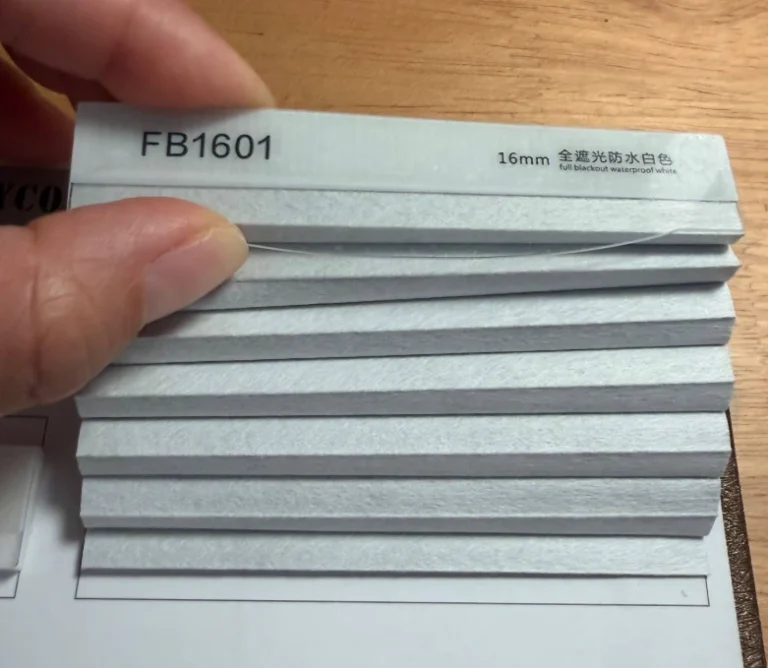
16mm Full Blackout Cellular Shade Fabric
ODM OEM Elite Making Raw Material Pleated Honeycomb Cellul…
READ ARTICLE →
Light Filtering vs. Blackout Cellular Shade Fabric: Whic
Light filtering and blackout cellular shade fabrics serve …
READ ARTICLE →
Honeycomb Shade Fabric: A Complete Guide to Performance,
Honeycomb shade fabric combines light control, thermal ins…
READ ARTICLE →