1. Introduction: Why 50cm+ Wide Running Belts Redefine Home Treadmill Experience
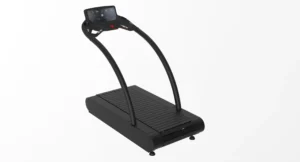
When shopping for a home treadmill, most buyers instinctively focus on motor power, maximum speed, folding design, and LCD screen functions, while overlooking one of the most decisive factors for workout comfort, safety, and long-term usability: running belt width. For decades, entry-level home treadmills have been equipped with narrow belts ranging from 40cm to 46cm, which are cheap and space-saving but come with obvious usage limitations. These narrow belts can barely meet slow walking needs and often cause constrained strides, unstable body posture, and frequent edge-stepping risks once users switch to jogging or running. As home fitness demands upgrade from simple casual walking to professional aerobic training, fat-burning running, and long-distance endurance exercise, wide running belt treadmills with a width of 50cm or above have gradually become the mainstream choice for high-quality home gym equipment.
A wide running belt (≥50cm) is not a simple size upgrade but a comprehensive optimization of workout safety, movement freedom, training diversity, and user adaptability. Professional fitness industry standards and sports equipment research show that 50cm is the critical dividing line between entry-level narrow belts and standard wide belts. Belts below 50cm are only suitable for low-intensity walking and slow rehabilitation exercise, while 50cm and wider running belts can fully adapt to natural jogging, high-speed running, interval training, and multi-user shared fitness scenarios. Whether you are a fitness beginner pursuing comfortable daily exercise, a running enthusiast needing long-term aerobic training, a tall or heavy user with wider strides, or a family needing shared fitness equipment, a 50cm+ wide belt treadmill can completely solve various pain points of narrow belt equipment.
Many consumers hold misunderstandings that “wider belts are redundant and waste space”, or “narrow belts are enough for home use”. In fact, inappropriate narrow belt size is one of the leading causes of poor running posture, exercise fatigue, hidden safety hazards, and abandoned fitness equipment. A too-narrow running belt forces users to shrink their natural stride, tense their body posture, and repeatedly adjust their footing position during exercise, which not only reduces workout comfort and training efficiency but also easily leads to knee strain, ankle sprains, and lumbar muscle fatigue after long-term exercise. This blog will systematically explain the core value of 50cm+ wide running belts, analyze key purchasing parameters, compare size differences, summarize applicable crowds and scenario matching skills, and teach you how to select a high-quality wide belt treadmill that balances safety, comfort, performance, and space utilization.
2. Core Benefits of 50cm+ Wide Running Belt Treadmills
The popularity of wide running belt treadmills in the global home fitness market stems from their all-round advantages in safety, comfort, training professionalism, and user compatibility. Different from narrow belt treadmills with single scene adaptability, 50cm+ wide belts can perfectly cover walking, jogging, fast running, and variable-speed interval training, realizing full-scene aerobic exercise adaptation. The following are the core advantages that make wide belt treadmills worth prioritizing.
2.1 Unrestricted Natural Stride, Standardize Running Posture
Human running and walking movements have fixed natural stride widths and gait trajectories. Ordinary adults have a natural lateral stride range of 45cm to 52cm during jogging, and tall users or people with relaxed running postures have a wider movement range. Narrow belts below 50cm will limit lateral movement, forcing users to keep their feet narrow and body stiff to avoid stepping on the treadmill frame. Long-term constrained running will easily lead to irregular gait, asymmetric left and right muscle force, and incorrect exercise posture, greatly increasing the risk of sports strain. A 50cm+ wide running belt completely reserves sufficient lateral movement space, allowing users to maintain a relaxed, natural, and standard running posture throughout the exercise process, ensuring balanced muscle force of the whole body, and effectively avoiding chronic sports injuries caused by posture distortion.
2.2 Higher Exercise Safety, Eliminate Edge-Stepping Risks
Safety is the primary indicator of treadmill use, especially during high-speed running and fatigue exercise. When users exercise on narrow belts, physical jitter, fatigue distraction, or stride deviation will easily cause feet to step on the edge of the running belt or even step out of the equipment, leading to sudden falls, ankle sprains, and other safety accidents. This hidden danger is particularly prominent for beginner users who cannot stably control their running rhythm. The 50cm+ ultra-wide running belt expands the safe movement area in all directions, forms a sufficient safety margin, and effectively avoids edge collision and stepping risks even during high-speed running, variable-speed training, and long-time fatigued exercise. For family users with the elderly and teenagers, the wide belt design greatly improves the overall safety of home fitness.
2.3 Adapt to Multiple Exercise Modes and Intensities
Narrow belt treadmills can only support single low-intensity walking exercise and cannot meet diversified training needs. In contrast, 50cm and wider running belts support full-intensity aerobic training modes, including daily leisure walking, brisk walking fat burning, constant-speed jogging, high-speed aerobic running, and HIIT variable-speed interval training. The wider running surface allows users to adjust their stride amplitude and movement rhythm freely according to training plans, realizing diversified exercise modes and breaking the single training limitation of traditional home treadmills. Whether users need low-intensity rehabilitation exercise or high-intensity cardio endurance training, the wide belt treadmill can provide stable and comfortable support.
2.4 Compatible with Tall, Heavy and Multi-User Scenarios
Tall users above 175cm and heavy users with larger body weight have wider natural strides and larger body movement ranges during exercise, which are extremely incompatible with narrow belt treadmills. Narrow belts will make tall and heavy users feel cramped and unstable during exercise, seriously affecting exercise experience and safety. The 50cm+ wide running belt is professionally optimized for large-size users, with a wider bearing surface and more stable force structure, which can perfectly adapt to the exercise characteristics of tall and heavy users. Meanwhile, the wide belt design supports multi-person family shared use, meeting the diversified fitness needs of adults, teenagers, and middle-aged and elderly users, greatly improving the comprehensive utilization rate of household fitness equipment.
2.5 Better Running Stability and Shock Absorption Effect
The width of the running belt is positively correlated with the overall structural stability of the treadmill. The 50cm+ wide running belt is equipped with an expanded base frame and reinforced bearing structure, which makes the overall equipment more stable during operation, effectively reducing shaking and jitter during high-intensity running. In addition, the wide running belt matches a larger shock absorption buffer area, which can evenly buffer the impact of footsteps, disperse plantar pressure, and significantly improve the cushioning and joint protection effect. Compared with narrow belts with concentrated stress, wide belt treadmills can better protect knees, ankles, and spine, bringing softer and safer running experience.
3. Size Comparison: 40cm/46cm vs 50cm/52cm Running Belts
To help users intuitively distinguish the value of wide belts, we systematically compare the mainstream treadmill belt sizes on the market, clarify the applicable scenarios and limitations of different widths, and eliminate size selection confusion.
3.1 40cm–46cm Narrow Belts: Entry-Level Walking Only
Most ultra-thin foldable entry-level treadmills on the market are equipped with 40cm to 46cm narrow belts. This type of belt has the advantages of low price, small occupied space, and lightweight body, but it has obvious usage limitations. It is only suitable for ultra-low-intensity slow walking, office walking exercise, and elderly rehabilitation walking. Once the user increases the speed to jogging or running state, the narrow space will restrict stride movement, cause body tension, and bring obvious safety risks. Long-term running on narrow belts will easily lead to exercise fatigue and posture deformation, which is not recommended for users with formal running and fat-burning training needs.
3.2 50cm Standard Wide Belt: Best Balance for Home Comprehensive Use
50cm is the threshold width for professional home running treadmills and the most cost-effective universal size for family scenarios. It perfectly balances space occupation and exercise performance. Compared with narrow belts, it completely solves stride restriction and safety risks, supports all daily fitness modes including walking, jogging, and medium-speed running, and is suitable for most ordinary adult users. Compared with ultra-wide belts above 52cm, the 50cm model will not cause excessive space waste, has moderate body volume, and can adapt to small and medium-sized home gym spaces. It is the preferred universal size for family daily fitness and long-term fat-burning training.
3.3 52cm+ Ultra-Wide Belt: Professional Training and Large User Exclusive
52cm and above ultra-wide running belts are close to commercial gym treadmill specifications, belonging to high-end professional household configurations. This size is suitable for users with professional running needs, tall users above 180cm, heavy users over 85kg, and fitness enthusiasts who need long-term high-intensity training. The ultra-wide belt provides ultimate movement freedom and stability, completely restoring commercial gym running experience, and can support long-distance endurance running and high-frequency daily training without cramped feeling. The only disadvantage is the larger occupied space, which is more suitable for families with independent fitness spaces.
4. Key Parameters to Check When Choosing ≥50cm Wide Belt Treadmills
A wide running belt does not equal high-quality treadmill. Many inferior products on the market simply widen the belt while reducing material standards and matching performance, resulting in problems such as belt deviation, slippery surface, insufficient motor power, and poor stability. When purchasing a 50cm+ wide belt treadmill, users must comprehensively verify the following core supporting parameters to avoid falling into size-only selection pitfalls.
4.1 Running Belt Material, Thickness and Anti-Slip Performance
The running belt is the core contact component of exercise, and its material quality directly determines exercise safety and durability. High-quality 50cm+ wide belts adopt multi-layer composite thickened materials, usually including anti-slip wear-resistant surface layer, high-elastic buffer middle layer, and anti-tear bottom layer. The surface is designed with dense diamond anti-slip texture, which can ensure stable footing and prevent slipping during sweating and high-speed running. Inferior wide belts use single-layer thin materials, which are easy to wear, deform, and wrinkle after long-term use, and are prone to deviation and jitter during operation. It is recommended to select wide belts with a thickness of more than 2mm, wear-resistant and anti-static treatment, to ensure long-term stable use.
4.2 Matching Motor Power (Core Power Guarantee for Wide Belt Operation)
Wide running belts have larger contact area and greater operating load, which require higher motor power support. If the motor power is insufficient, problems such as weak power, speed drop, belt stuck, and motor heating will occur during high-load running, seriously affecting exercise experience and equipment life. For 50cm wide belt home treadmills, the continuous horsepower shall not be lower than 2.0HP, and the peak horsepower is recommended to be above 3.5HP, which can stably support medium and high-speed running of adults. For 52cm+ ultra-wide belts and heavy user scenarios, it is necessary to match a silent brushless motor above 2.5HP continuous power to ensure sufficient power reserve and stable operation without pressure.
4.3 Running Deck Length and Structural Matching
Belt width and length need to be matched reasonably to ensure coordinated running experience. A wide but short belt will restrict the forward stride length, resulting in uncoordinated movement. For 50cm wide belts, the recommended running deck length is 120cm to 130cm, which can adapt to the normal forward stride of most adults. For 52cm ultra-wide belts, the length should reach more than 130cm to meet the long-stride running needs of tall users. Reasonable length and width matching can maximize the advantages of wide belts and avoid single-size mismatch affecting training effect.
4.4 Frame Stability and Load-Bearing Capacity
The widened running belt puts forward higher requirements on the frame load-bearing and stability. High-quality wide belt treadmills adopt thickened high-strength carbon steel frame and integrated reinforced welding structure, with firm overall support and strong load-bearing capacity, which can effectively resist vibration during high-intensity exercise and avoid frame shaking and deformation. It is recommended to select equipment with a static load-bearing capacity of more than 120kg, which can fully adapt to the use of heavy users and long-term high-frequency training, ensuring equipment durability and exercise safety.
4.5 Professional Shock Absorption System
Wide belt treadmills are mostly used for formal running training, so the shock absorption system is particularly important. High-quality products are equipped with multi-point elastic shock absorption columns, silent buffer rubber mats, and floating deck structures. The wide-area shock absorption structure can evenly buffer running impact, reduce joint pressure, and avoid knee and ankle injuries caused by long-term running. Inferior wide belt treadmills ignore shock absorption configuration, resulting in hard running feel and large ground vibration noise, which cannot protect human joints and affect indoor and neighborhood environment.
5. Suitable Crowds for 50cm+ Wide Running Belt Treadmills
Wide belt treadmills are not exclusive professional equipment, but universal high-quality home fitness equipment suitable for most user groups. The following crowds are most suitable for upgrading to 50cm+ wide belt treadmills and can maximize equipment value.
5.1 Running Enthusiasts and Formal Fat-Loss Training Users
Users who take aerobic running and fat-burning exercise as their core fitness goals are the most suitable group for wide belt treadmills. The 50cm+ wide belt provides unrestricted running space, allows users to maintain standard running posture for a long time, improves training efficiency, and avoids exercise injuries caused by narrow belt restrictions. Long-term formal running training on wide belts can effectively improve cardiopulmonary function and accelerate fat burning, achieving better fitness effects.
5.2 Tall and Heavy Fitness Users
Users with a height of more than 170cm or a weight of more than 75kg have larger body movement ranges and higher stability requirements during exercise. Narrow belts will make them feel cramped and insecure, while 50cm+ wide belts can perfectly adapt to their stride characteristics and body size, providing stable, spacious and safe exercise conditions, solving all pain points of tall and heavy users using home treadmills.
5.3 Multi-Person Family Shared Fitness Scenarios
For families with multiple fitness users including adults, teenagers, and middle-aged and elderly people, wide belt treadmills have strong compatibility. It can adapt to the slow walking needs of the elderly, the daily exercise needs of teenagers, and the running training needs of adults. One piece of equipment meets the fitness needs of the whole family, with high comprehensive cost performance and equipment utilization rate.
5.4 Users Pursuing Long-Term Equipment Durability
Wide belt treadmills have higher overall configuration standards, more stable structural performance, and more reasonable stress distribution. Compared with narrow belt equipment that is easy to shake and deform, wide belt treadmills have longer service life and lower failure rate. For users who hope to purchase fitness equipment for long-term stable use and avoid frequent replacement, 50cm+ wide belt models are the most reliable choice.
6. Common Purchasing Misunderstandings of Wide Belt Treadmills
Many users will fall into blind misunderstandings when purchasing wide belt treadmills, resulting in unsatisfactory equipment experience and wasted budget. Summarizing industry common pitfalls can help users make rational decisions.
6.1 Blindly Pursuing Ultra-Wide Belts While Ignoring Space Matching
Some users blindly pursue 52cm and above ultra-wide belts, ignoring the limited indoor space of small apartments. Excessively wide belts will lead to bulky equipment, difficult storage, and wasted living space. For small-space home environments with only walking and jogging needs, a standard 50cm wide belt is completely sufficient, with more balanced space and performance.
6.2 Only Looking at Belt Width and Ignoring Supporting Performance
Belt width is only one of the performance indicators. If the motor power is insufficient, the frame is unstable, and the shock absorption is poor, even an ultra-wide belt cannot bring good exercise experience. Users must match comprehensive parameters such as motor, frame, shock absorption, and belt material while ensuring 50cm+ width to avoid pseudo-wide-belt inferior products.
6.3 Equating Wide Belts with No Noise
Many users mistakenly believe that wide belt treadmills must be silent. In fact, equipment noise mainly comes from motor operation and running impact vibration, not belt width. High-quality wide belt treadmills are equipped with silent motors and shock absorption structures to reduce noise, while inferior wide belt products still have loud operating noise. Width cannot determine silence performance.
7. Final Purchasing Suggestions and Value Summary
After comprehensive comparison of size advantages, parameter matching, crowd adaptation and scenario application, it is clear that a treadmill with a running belt width of ≥50cm is the most worthy and cost-effective choice for modern home gyms. It completely solves the safety hazards, posture restrictions, and poor experience of traditional narrow belt treadmills, realizes the perfect integration of walking, jogging, and running training, and meets the long-term diversified fitness needs of family users.
For ordinary home users with limited space and comprehensive fitness needs, a standard 50cm wide belt treadmill is the best choice with balanced performance and space. For professional running enthusiasts, tall and heavy users, and users with independent fitness spaces, a 52cm+ ultra-wide belt treadmill can bring commercial-level professional exercise experience. No matter which size you choose, you must take high-quality belt material, sufficient motor power, stable frame structure and professional shock absorption system as the core purchasing standards to ensure that the wide belt advantage can be truly exerted.
Investing in a qualified wide running belt treadmill is not only a purchase of fitness equipment, but also a long-term investment in family health. It allows every family member to carry out scientific, safe and comfortable aerobic exercise at home, develop a long-term healthy exercise habit, and continuously improve physical fitness and physical vitality.
Adhering to the original intention of original innovation and quality manufacturing, we will keep forging ahead, continuously enhance the brand’s global core competitiveness, let more Chinese innovative fitness products go global, and continuously transmit the strong innovation power of Chinese fitness brands to the global market, helping the high-quality and sustainable development of the global fitness industry.